
11-11-2026
Christmas, in many cultures, is synonymous with abundant tables, family gatherings, and recipes passed down through generations. Among the most traditional dishes, fish plays a central role in many parts of the world — whether due to religious traditions, local availability, or cultural symbolism.
In this article, we take a journey through Christmas flavors around the world, where fish at Christmas is the true star.
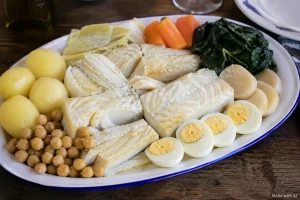
In Portugal, it is impossible to talk about fish at Christmas without mentioning the classic boiled cod with vegetables. This tradition is deeply rooted in Catholicism, which for centuries encouraged abstinence from meat on Christmas Eve.
Salted and dried cod was easy to preserve before modern refrigeration, making it a practical and accessible choice across the country. Today, it is more than just a meal — it is a symbol of unity and tradition.
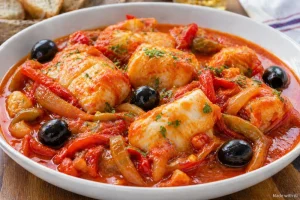
As in Portugal, cod is also commonly enjoyed in Spain, often prepared in dishes such as “bacalao a la vizcaína”. However, depending on the region, other fish and seafood take center stage at Christmas dinner.
The strong cultural connection to the sea and fishing, makes seafood products highly valued as festive and premium foods.
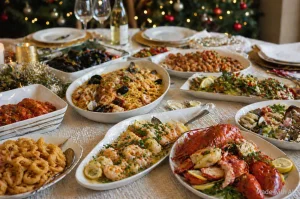
In Italy, the tradition of the “Festa dei Sette Pesci” (Feast of the Seven Fishes) is one of the most iconic. On Christmas Eve, a true banquet is served with multiple fish and seafood dishes.
Although it originated in southern Italy, this tradition became firmly established in the United States among Italian immigrant communities.
Common dishes include cod, fried squid, sardines, anchovies, mussels, and many more.
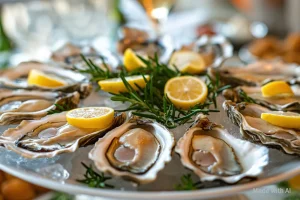
In France, fish is also present, but with a more refined touch. Smoked salmon, oysters, and lobster are common choices for Christmas tables.
Here, fish at Christmas represents luxury and celebration, reserved for special occasions such as Christmas dinner.
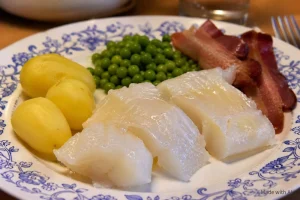
In Norway, dishes based on dried or cured fish, such as lutefisk (cod, ling or pollack treated with lye), are part of Christmas traditions.
This type of preparation dates back to ancient times, when preserving fish was essential to survive long winters.
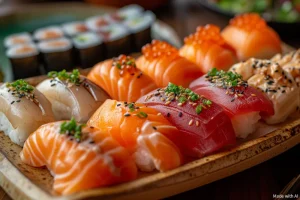
Although Christmas is not a traditional celebration in Japan, fish consumption increases during this period, especially around the New Year.
Fish such as salmon and tuna are widely consumed, often in modern or westernized versions.
Fish gains greater importance during this time, as it symbolizes prosperity and good fortune.
The presence of fish in Christmas dinners across different cultures is no coincidence. There are several common reasons:
Today, fish continues to hold a special place on Christmas tables around the world.
Whether for its flavor, tradition, or cultural meaning, fish at Christmas continues to bring families together around the table.